
Capturing Nature: Landscape Photography Tips and Tricks
- lhenry391
- Oct 7, 2025
- 4 min read
Landscape photography is a beautiful way to connect with nature. It allows you to capture stunning scenes and share them with others. Whether you are a beginner or an experienced photographer, there are always new techniques to learn. In this post, we will explore some essential tips and tricks to help you take breathtaking landscape photos.
Understanding Your Equipment
Before you head out into the great outdoors, it is important to understand your camera and its settings. Familiarize yourself with the different modes and features. Most cameras have a landscape mode, which is a good starting point for beginners.
Choosing the Right Lens
The lens you use can greatly affect your photos. A wide-angle lens is ideal for capturing expansive landscapes. It allows you to include more of the scene in your frame. If you want to focus on a specific subject, a telephoto lens can help you zoom in and create a more intimate shot.
Tripods Are Your Best Friend
A sturdy tripod is essential for landscape photography. It helps keep your camera steady, especially in low light conditions. Using a tripod allows you to take longer exposures without the risk of blurriness. This is particularly useful for capturing the soft movement of water or clouds.
Composition Techniques
Composition is key in photography. It helps guide the viewer's eye and creates a more engaging image. Here are some techniques to consider:
The Rule of Thirds
The rule of thirds is a classic composition technique. Imagine dividing your frame into a 3x3 grid. Place your main subject along these lines or at their intersections. This creates a more balanced and interesting photo.
Leading Lines
Leading lines draw the viewer's eye into the image. Look for natural lines in the landscape, such as roads, rivers, or fences. These lines can lead the viewer to your main subject, creating a sense of depth.
Framing Your Shot
Use natural elements to frame your subject. Trees, rocks, or even archways can create a frame within your photo. This adds depth and context, making your image more compelling.
Lighting Matters
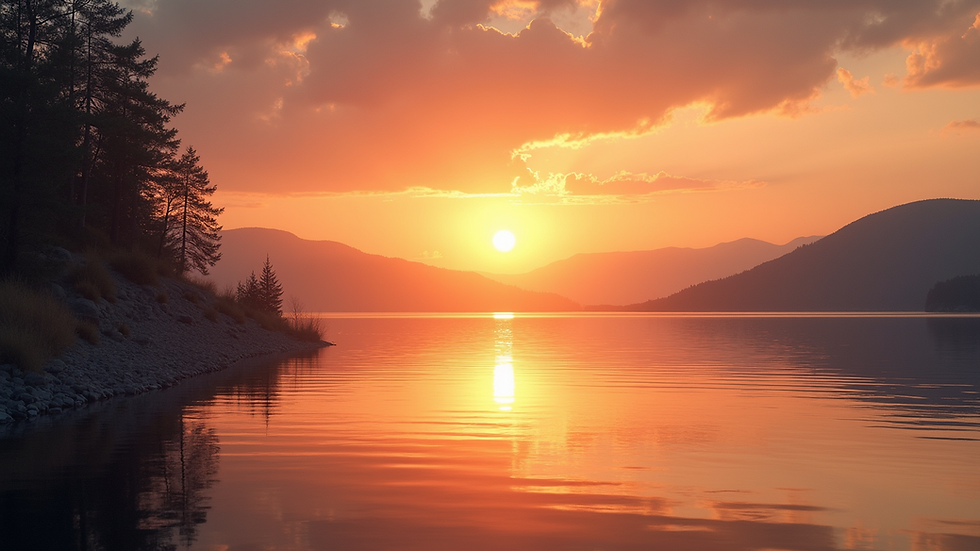
Lighting can make or break a landscape photo. The best times to shoot are during the golden hours, which are shortly after sunrise and before sunset. The soft, warm light during these times enhances colors and adds a magical quality to your images.
Avoid Harsh Midday Sun
Shooting in the middle of the day can result in harsh shadows and overexposed highlights. If you must shoot during this time, look for shaded areas or use a polarizing filter to reduce glare and enhance colors.
Post-Processing Tips
Editing your photos can take them to the next level. Here are some basic post-processing tips:
Adjusting Exposure and Contrast
Start by adjusting the exposure and contrast. This can help bring out details in both the shadows and highlights. Be careful not to overdo it, as this can lead to unnatural-looking images.
Color Correction
Adjust the colors to make them more vibrant. Use tools to enhance the greens of the trees or the blues of the sky. This can help your landscape photos pop.
Cropping for Impact
Sometimes, cropping can improve your composition. Remove any distracting elements from the edges of your photo. This can help focus attention on your main subject.
Exploring Different Locations
Every location offers unique opportunities for landscape photography. Here are some ideas to inspire your next adventure:
National Parks
National parks are treasure troves for photographers. They offer diverse landscapes, from mountains to forests to lakes. Plan your visit during the golden hours for the best light.
Coastal Areas
The coast provides stunning views and dynamic scenes. Capture the waves crashing against the rocks or the sun setting over the horizon. Experiment with long exposures to create a dreamy effect on the water.
Urban Landscapes
Don’t forget about urban landscapes. Cities have their own beauty, with architecture and parks. Look for interesting angles and reflections in buildings or water.
Connecting with Nature
Landscape photography is not just about taking pictures; it is also about connecting with nature. Take the time to appreciate your surroundings. Listen to the sounds, breathe in the fresh air, and soak in the beauty around you.
Be Patient
Sometimes, the best shots require patience. Wait for the right moment, whether it is the perfect light or a passing cloud. Enjoy the process and don’t rush.
Respect the Environment
As photographers, we have a responsibility to protect the places we love. Follow the Leave No Trace principles. Stay on trails, pack out what you bring in, and respect wildlife.
Final Thoughts
Landscape photography is a rewarding pursuit that allows you to capture the beauty of the world. By understanding your equipment, mastering composition, and being mindful of light, you can create stunning images. Remember to connect with nature and respect the environment as you explore.
With practice and patience, you will see improvement in your photography skills. So grab your camera, head outside, and start capturing the beauty of nature. Happy shooting!


Comments